
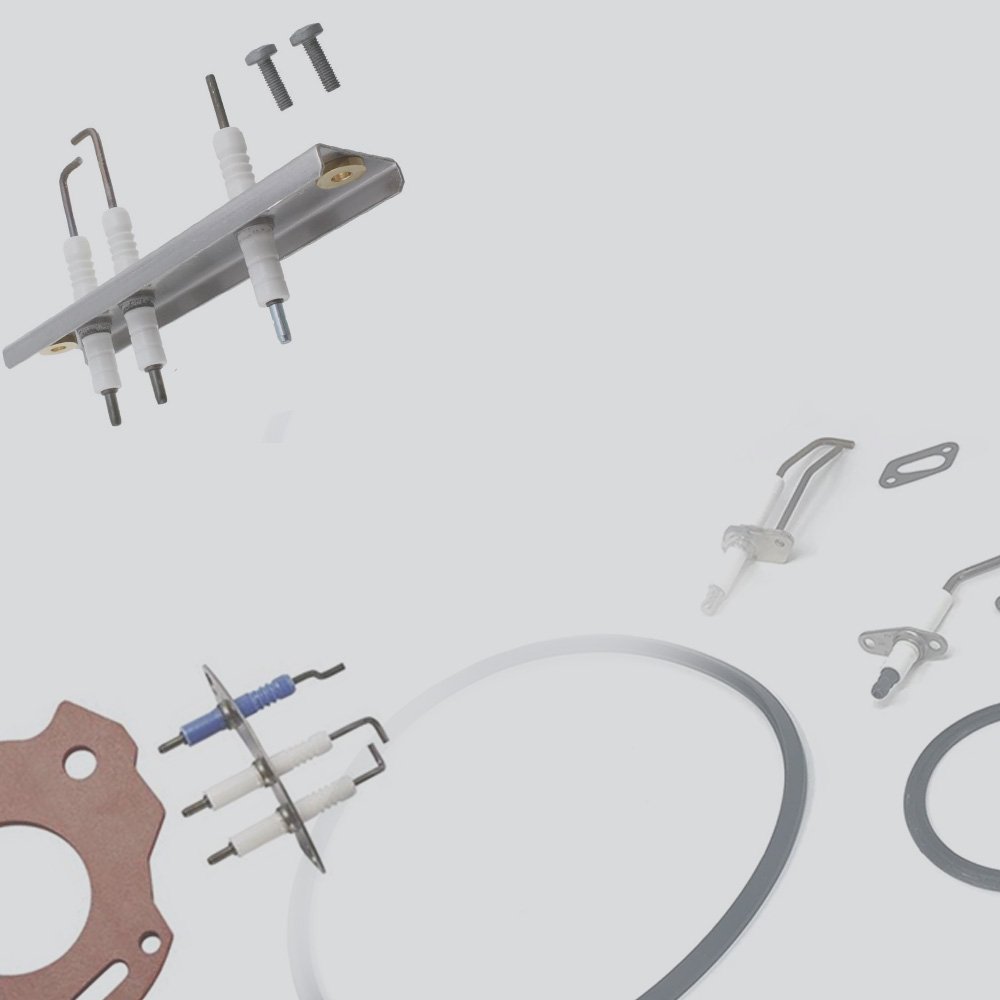
Winter is when your boiler works hardest — and when most breakdowns happen. A failed pump, a worn ignition electrode, or a split diaphragm can leave you without heating and hot water when you need them most.
The good news is that most winter boiler problems are preventable. Follow this checklist to keep your boiler running efficiently, reduce your energy bills, and avoid an expensive emergency call-out.
Monthly Checks (Do These Yourself)
1. Check the Pressure Gauge
Your boiler pressure should read between 1.0 and 1.5 bar when the system is cold. If it’s below 1 bar, re-pressurise using the filling loop. If it keeps dropping, you may have a leak or a faulty pressure sensor.
2. Bleed Your Radiators
Trapped air makes radiators cold at the top and hot at the bottom. Use a radiator key to bleed them until water runs smoothly. If you need to bleed them frequently, the expansion vessel or safety valve may be failing.
3. Check the Flue
Make sure the flue terminal outside is not blocked by leaves, snow, or debris. A blocked flue can cause dangerous fumes to back up into your home.
4. Listen for Unusual Noises
Banging, gurgling, or whistling from the boiler usually means:
- Banging: Sludge in the system or a failing pump
- Gurgling: Air in the system
- Whistling: High pressure or a blocked heat exchanger
If noises persist, order a pump or heat exchanger before it fails completely.
Annual Checks (Do Before Winter Starts)
5. Service the Boiler
A Gas Safe engineer should service your boiler every 12 months. They will:
- Clean the burner and heat exchanger
- Check the gas pressure and flue
- Test the ignition electrode and flame sensor
- Inspect the pump and diverter valve
Why it matters: A dirty burner or worn electrode is the #1 cause of winter ignition lockouts.
6. Replace Worn Parts Proactively
If your boiler is over 5 years old, these parts are likely nearing the end of their life:
Table
| Part | Lifespan | Signs of Wear |
| Ignition electrode | 5–7 years | Intermittent ignition, error codes |
| Diverter valve diaphragm | 5–8 years | Hot water but no heating (or vice versa) |
| Circulation pump | 8–12 years | Noisy, hot to touch, or not running |
| Expansion vessel | 10–15 years | Pressure rising then dropping rapidly |
| Pressure sensor | 5–10 years | Erratic pressure readings |
Replacing these before they fail is cheaper than an emergency call-out on Christmas Eve.
7. Power Flush the System
If your radiators are cold at the bottom or your boiler is kettling (making banging noises), your system may be full of sludge. A power flush cleans the pipes and heat exchanger, improving efficiency and extending boiler life.
Emergency Spares to Keep in Stock
If you’re a heating engineer or a landlord with multiple properties, keep these fast-moving parts on the shelf:
- Ignition electrodes — #1 cause of winter call-outs
- Diverter valve repair kits — fixes heating/hot water issues in minutes
- Pressure sensors — solves low pressure faults instantly
- Pumps — a failed pump means no circulation at all
- Thermistors — cheap and easy to fit, fixes overheating errors
Shop trade packs and bulk spares →
What to Do If Your Boiler Breaks Down
Even with the best maintenance, parts can still fail. If your boiler stops working:
- Check the error code — look it up on our guides:
- Order the right part — use our model number guide to find it
- Call a Gas Safe engineer — for any gas-related work
Downloadable Winter Boiler Checklist
Print this checklist and stick it next to your boiler:
plain
□ Pressure between 1.0–1.5 bar
□ Radiators bled and heating evenly
□ Flue terminal clear of debris
□ No unusual noises from boiler
□ Annual service completed
□ Ignition electrode checked/replaced
□ Expansion vessel pressure checked
□ Emergency spare parts in stock
Shop Winter Boiler Maintenance Parts
At Boiler Spares Ltd, we stock everything you need to keep boilers running through the coldest months. From ignition electrodes and pumps to diverter valve repair kits and expansion vessels — all with fast UK delivery from Huddersfield.